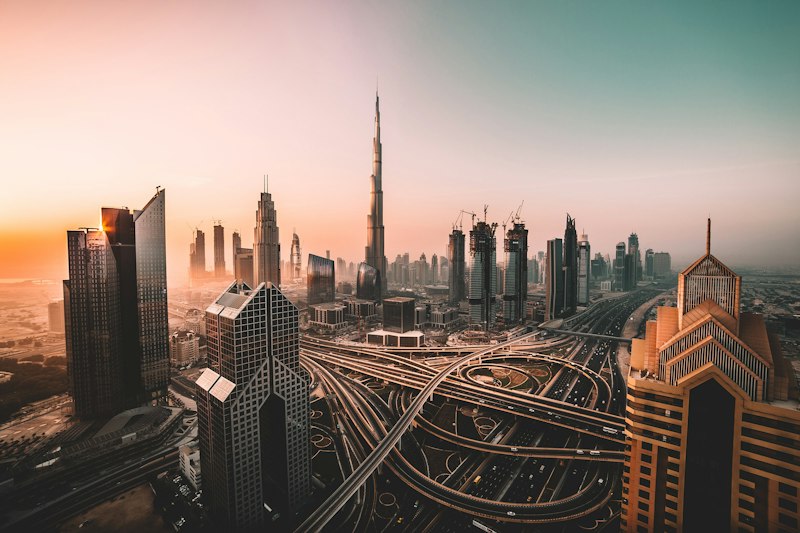

Dubai gives property buyers an enormous amount of choice. Apartments, villas, ready homes, new developments and off-plan projects are available across communities with very different prices and lifestyles.
That choice is an advantage, but it also means buyers need to look beyond attractive photographs and marketing offers.
Whether you are buying a home for yourself or investing for the future, the best decisions normally start with three questions: Why am I buying? What can I comfortably afford? And which property best supports that goal?
This 101 Properties guide explains the fundamentals of buying property in Dubai in 2026 in simple terms.
Can foreigners buy property in Dubai?
Yes. Foreign nationals can own freehold property in areas designated for foreign ownership in Dubai.
Dubai Land Department explains that foreign nationals may own freehold title in designated freehold areas. This makes Dubai accessible to both UAE residents and international buyers, although the ownership rights of a particular property should always be confirmed before purchasing.
Freehold ownership generally gives the registered owner ownership of the property without a fixed ownership period, subject to applicable laws and property-specific conditions.
Do you need to be a UAE resident to buy Dubai property?
You do not necessarily need UAE residency simply to purchase an eligible freehold property. Dubai Land Department services also provide for non-resident foreign buyers in relevant property transactions.
Residency status can, however, affect practical matters such as mortgage eligibility, banking requirements and documentation. A cash purchase and a financed purchase can therefore involve different processes.
What is the Dubai Land Department registration fee?
Dubai's official property registration fee for a real property sale contract is 4% of the sale value.
Buyers should not treat the property price as the only amount they need to budget. Depending on the transaction, there can also be registration trustee fees, title or map-related charges, mortgage costs, bank charges, agency fees and other applicable transaction expenses.
The way individual costs are allocated between the parties can depend on the transaction and agreement, so request a complete cost breakdown before signing.
What other costs should a Dubai property buyer consider?
A sensible purchasing budget should include more than the advertised selling price.
Potential costs can include:
- Dubai Land Department registration fees
- registration trustee or administrative charges where applicable
- real estate agency fees where applicable
- mortgage arrangement and valuation costs for financed purchases
- mortgage registration charges
- NOC or developer-related charges where applicable
- ongoing service charges after ownership
- moving, furnishing or fit-out costs
Always ask for the estimated total acquisition cost instead of comparing properties only by listing price.
How much is Dubai's mortgage registration fee?
Dubai Land Department currently lists the mortgage registration fee for an ordinary mortgage as 0.25% of the mortgage value, with additional applicable service or document fees depending on the transaction.
If you plan to finance your purchase, speak with a bank or mortgage adviser early. Knowing your realistic borrowing position before choosing a property can prevent you from spending time negotiating homes outside your financing range.
Ready property or off-plan: which should you buy?
Neither option is automatically better. Ready and off-plan properties solve different buyer needs.
| Ready Property | Off-Plan Property |
|---|---|
| You can physically inspect the finished property. | You are purchasing before the development is fully completed. |
| Potentially suitable for immediate occupancy or rental. | Payment plans may spread payments across the development period. |
| Existing community conditions are easier to assess. | Buyers need to assess the developer, project documentation and delivery expectations carefully. |
| Current rental conditions can often be evaluated more directly. | The property's future rental and resale environment may still be developing. |
A buyer who wants a home immediately may naturally favour a completed property. Someone with a longer investment horizon may consider an off-plan project if its price, developer, payment structure and location make sense.
How should investors choose a Dubai property?
Investors should start with the investment objective rather than with the development brochure.
Ask yourself whether your priority is:
- long-term rental income
- capital appreciation
- a combination of income and growth
- short-term or holiday rental potential
- future personal use
Once the objective is clear, compare properties using numbers that matter to that strategy.
Look beyond headline rental yield
A quoted gross rental yield does not show the full picture.
Investors should consider expenses such as service charges, maintenance, management costs, vacancy periods and financing costs when applicable.
A property with a slightly lower headline rent but stronger occupancy, sensible service charges and better tenant demand can sometimes be a more practical investment than one marketed with an unusually high projected return.
Why is location so important in Dubai?
Dubai is not one uniform property market. Each community has its own supply, resident profile, property type and price range.
When comparing locations, consider:
- road and public transport connectivity
- distance to employment centres
- schools and nurseries
- shops and daily services
- parks and lifestyle amenities
- existing and future property supply
- the type of tenants or buyers attracted to the community
A famous location is not automatically the best investment, just as a lower-priced emerging community is not automatically better value. Price needs to be considered together with demand and the purpose of the purchase.
What should you check before buying?
Property due diligence is one of the most important parts of the buying process.
Depending on whether the property is ready or off-plan, checks can differ, but buyers should generally confirm:
- The property's ownership and registration position.
- The identity and authority of the seller or developer.
- The exact unit, area and agreed purchase price.
- Applicable service charges and other ownership costs.
- Payment and finance terms.
- Property condition when purchasing a completed home.
- Contract terms before signing or paying substantial funds.
- Any applicable developer or authority requirements.
Dubai Land Department states that real estate transactions involving ownership, transfer or changes to property rights need to be registered in its real estate registers. Proper registration is therefore not a minor administrative detail; it is central to protecting the buyer's legal ownership position.
Should you buy the cheapest unit available?
Usually, price should be considered as part of the overall value rather than in isolation.
Two apartments in the same area can perform differently because of:
- layout
- floor level
- view
- natural light
- building quality
- service charges
- parking
- amenities
- developer reputation
- future supply nearby
The lowest purchase price can be attractive, but the better question is: What am I receiving for the total amount I am paying?
A simple Dubai property buying process
Every transaction is different, but a buyer's journey will commonly involve several broad stages:
- Define your budget and purpose.
- Shortlist suitable areas.
- Compare real properties rather than relying only on asking prices.
- Arrange finance early if using a mortgage.
- Inspect and investigate the property.
- Review the commercial and contractual terms.
- Complete the required transfer and registration process.
- Receive the appropriate ownership documentation.
Working with an experienced property consultant does not replace your own legal or financial checks, but it can make property selection, comparison and transaction coordination significantly easier.
What makes a good Dubai property purchase in 2026?
A good purchase is one that fits your objectives at a price and risk level you understand.
For an end user, that may mean finding the right home in the right community while remaining comfortably within budget. For an investor, it may mean identifying a property with realistic rental demand, sensible ownership costs and a price that is supported by comparable properties.
Do not feel pressured to buy simply because a property is described as a limited opportunity. Good decisions come from comparing the property, the location, the numbers and the documentation together.
Find the right Dubai property with 101 Properties
The Dubai market offers opportunities across many budgets, communities and property types. The challenge is narrowing that choice to properties that genuinely fit what you are trying to achieve.
At 101 Properties, our goal is to help buyers move beyond listings and understand the options that make sense for their requirements.
Whether you are searching for your next home, comparing new developments or building a Dubai property investment portfolio, contact 101 Properties to discuss your requirements and explore suitable opportunities.
This article provides general information and should not be considered legal, tax, mortgage or investment advice. Property rules, charges and transaction requirements can change, and buyers should confirm the requirements applicable to their specific transaction with the relevant authorities and professional advisers.